Lifelong Learning with Bookshare
Set up your students for a lifetime of learning with ebooks for all ages. See school resources.
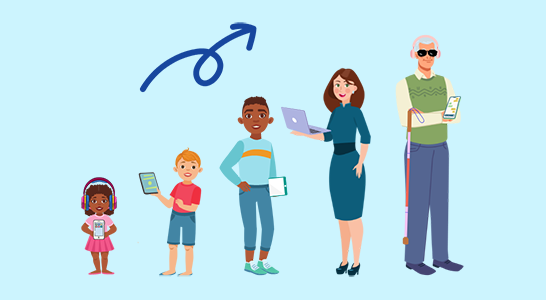
Bookshare makes reading easier. People with dyslexia, blindness, cerebral palsy, and other reading barriers can customize their experience to suit their learning style and find virtually any book they need for school, work, or the joy of reading.

Customized Reading
Customize your reading experience with ebooks in audio, audio + highlighted text, braille, large font, and other formats.

1,283,413 Titles
Access the largest library of textbooks, bestsellers, children's books, career resources, and more for people with reading barriers.

Read Anywhere
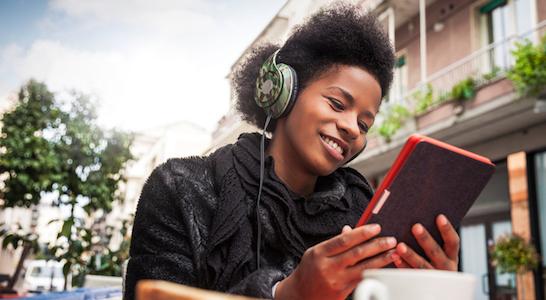
Read on almost any device, including smartphones, tablets, Chromebooks, computers, and assistive technology devices.

Lowest Cost
Get unlimited access: FREE for qualified U.S. students and schools, low annual fee for adults, and reduced fees in certain countries.
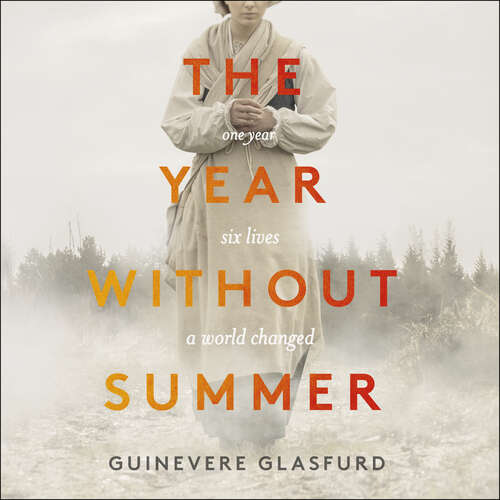
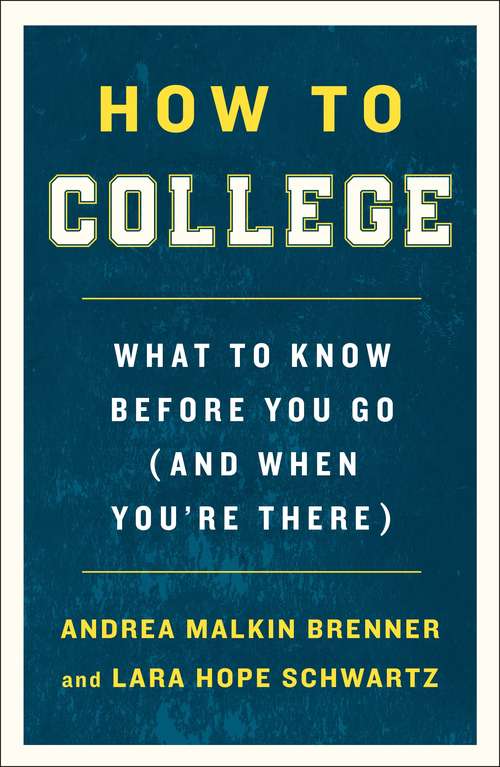

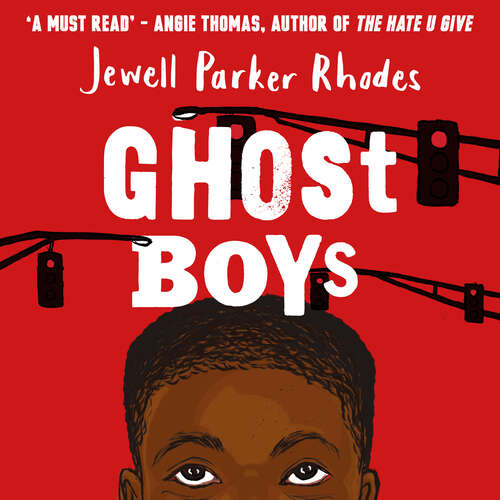
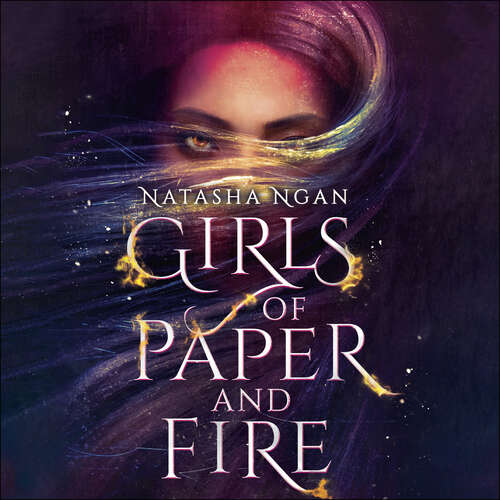 Human-Narrated Audiobooks for Teens
Who uses Bookshare?
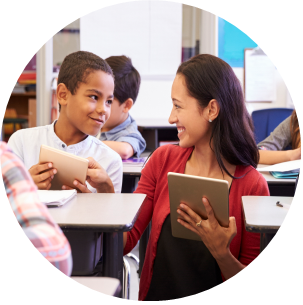
Educators
Educators get textbooks and educational materials students need in easy-to-read formats. See solutions for educators.
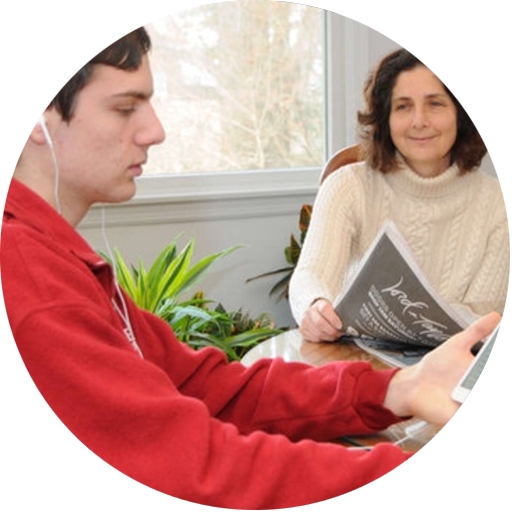
Students / Parents
Students in kindergarten to college and beyond access school and leisure books on their own. See solutions for students and parents.
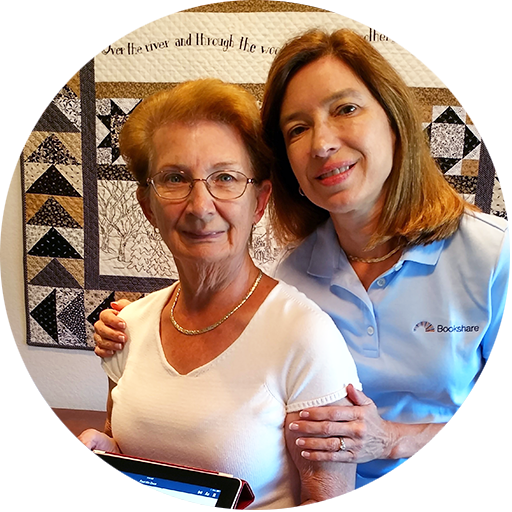
Adults
Adults access books to pursue careers, stay informed, and enjoy bestsellers and newest releases. See solutions for adults.

Global
People in over 70 countries access Bookshare to pursue employment and education. See global solutions.

This project is supported by the U.S. Department of Education, Office of Special Education Programs (Award Number H327D220002). Opinions expressed herein are those of the authors and do not necessarily represent the position of the U.S. Department of Education.